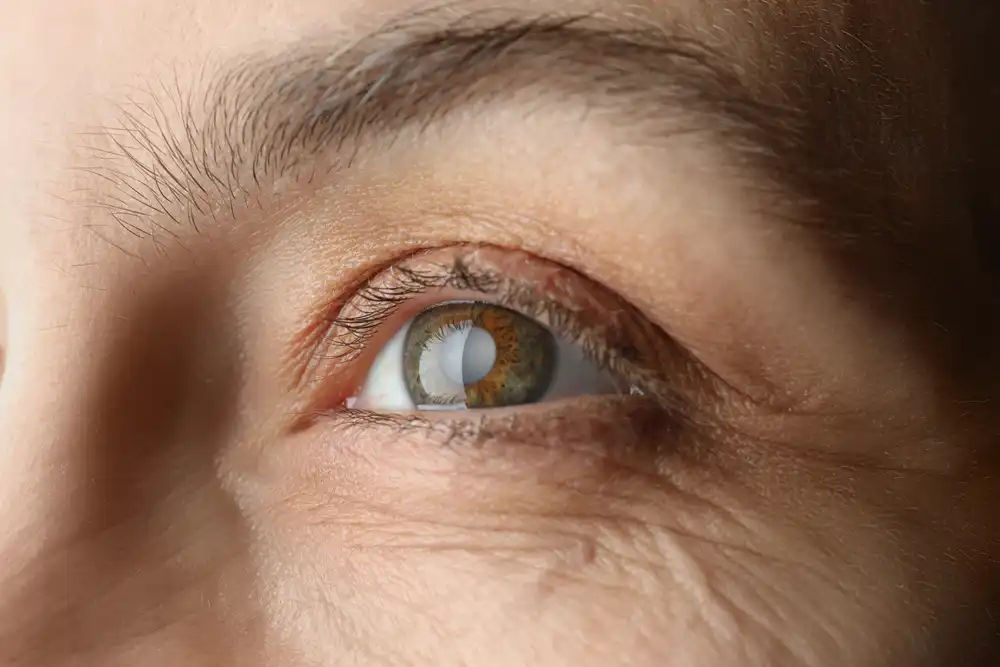
Ocular Inflammation
Specialist evaluation and personalised management plans are essential for safeguarding eye health when dealing with ocular inflammation. Whether addressing symptoms such as redness, pain, or blurred vision, clinical expertise provides the necessary support to protect long-term sight through every stage of the recovery process.

Ocular Inflammation
Uveitis is an inflammation of the uvea – the middle layer of the eye that includes the iris, ciliary body, and choroid. It can also affect nearby tissues such as the retina and optic nerve. Uveitis may be linked to autoimmune diseases, infections, or eye injury, but sometimes the cause is unknown.
If left untreated, uveitis can lead to complications like cataracts, glaucoma, or permanent vision loss. Early diagnosis and proper treatment are essential.
Symptoms of Uveitis
- Eye redness and irritation
- Blurred or reduced vision
- Sensitivity to light (photophobia)
- Floaters or dark spots in vision
- Eye pain
Treatment Goals
The main aims of treating uveitis are to:
- Reduce inflammation quickly.
- Control pain and discomfort.
- Protect the optic nerve and retina from damage.
- Prevent vision-threatening complications.
Mr. Manu Mathew
Consultant Ophthalmic Surgeon
Mr. Mathew is a highly trained ophthalmic surgeon specialising in cataract, refractive lens, and laser eye surgery including LASIK and LASEK. He has performed hundreds of successful procedures and is well-regarded for his expertise across Nottingham, Birmingham, Leeds, and Wetherby.









Optic Neuritis Treatment
Ocular inflammation refers to swelling and irritation in different parts of the eye caused by the body’s immune response. It can affect the outer surface of the eye, the middle layers, or the inner structures, and may range from mild irritation to severe sight-threatening conditions.
Common causes include:
- Autoimmune or systemic diseases (e.g., arthritis, lupus).
- Infections (bacterial, viral, fungal, or parasitic).
- Eye trauma or surgery.
- Allergic reactions.
- Unknown (idiopathic) triggers.
Types of Ocular Inflammation
- Conjunctivitis– Inflammation of the thin membrane covering the white of the eye (often called “pink eye”).
- Keratitis– Inflammation of the cornea, which can cause pain, redness, and sensitivity to light.
- Scleritis– Severe inflammation of the sclera (white outer wall of the eye), often linked to systemic disease.
- Uveitis– Inflammation of the uvea (iris, ciliary body, and choroid), which can threaten long-term vision if untreated.
- Retinitis/Choroiditis– Inflammation at the back of the eye affecting the retina or choroid, often linked to infection or autoimmune conditions.
Symptoms of Ocular Inflammation
- Redness and swelling of the eye.
- Eye pain or discomfort.
- Blurred or cloudy vision.
- Sensitivity to light (photophobia).
- Floaters or flashes of light.
- Tearing or discharge.
Any sudden onset of these symptoms should be taken seriously and evaluated promptly.
Treatment of Ocular Inflammation
Medications
- Anti-inflammatory drops
- Systemic medication
- Antibiotics/antivirals/antifungals
Supportive Care
- Dilating drops to relieve pain and prevent scarring.
- Lubricating drops to ease irritation.
- Close monitoring to adjust treatment and prevent complications.
Surgical Considerations
- Cataract Surgery: Ocular inflammation increases the risk of complications after cataract surgery. Patients must have stable, controlled inflammation before surgery is considered.
- Laser Vision Correction: Not usually suitable during active inflammation, as it may worsen irritation or compromise healing. Patients require thorough screening before elective procedures.
Risks and Complications
If not treated promptly, ocular inflammation can lead to:
- Cataracts
- Glaucoma (raised eye pressure)
- Retinal damage
- Permanent vision loss
This is why early diagnosis, correct treatment, and ongoing follow-up are so important.
Effective management of ocular inflammation relies on a combination of specialist diagnosis, personalised treatment plans, and continuous clinical support. Whether addressing mild redness or complex cases such as uveitis, professional oversight ensures that vision is protected throughout every stage of the recovery process.
Read our latest articles