Your eyes are one of the most important and sensitive parts of your body. Just as you take care of your heart, skin, and teeth, your eyes deserve attention to maintain their health and preserve your vision. While many eye problems can be managed with proper care and regular visits to your optometrist or ophthalmologist, prevention is always better than cure. Adopting a few simple habits can help reduce the risk of common eye problems and keep your vision sharp for years to come.
Here are some essential tips for maintaining healthy eyes and preventing common eye conditions:
1. Get Regular Eye Exams
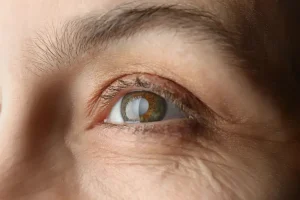
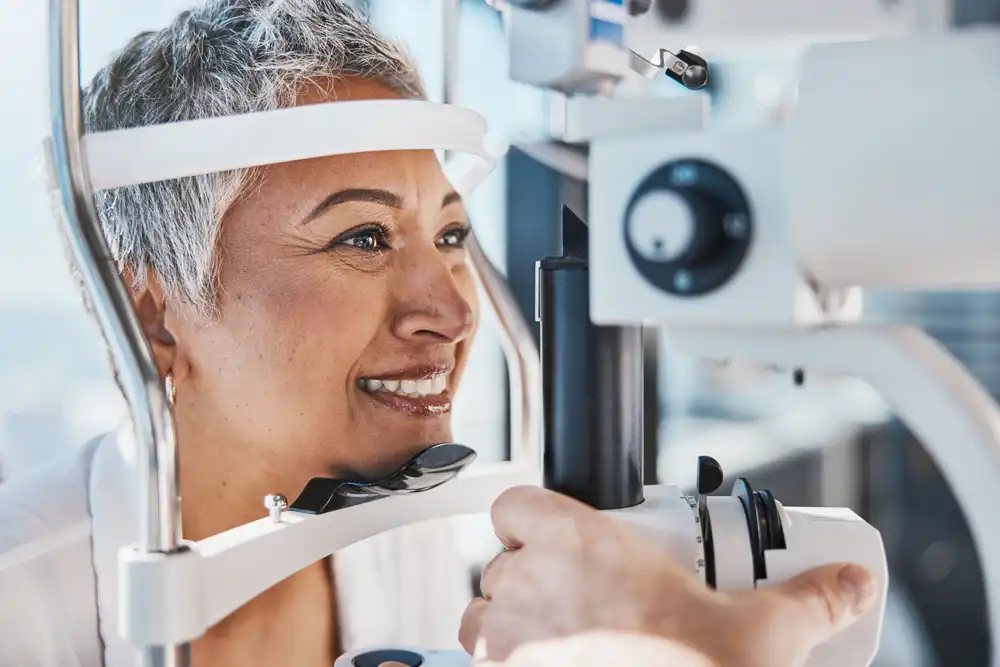
One of the best ways to maintain healthy eyes is by having regular eye exams with a professional. Even if you don’t have any obvious symptoms, a comprehensive eye exam can help detect early signs of eye diseases like glaucoma, cataracts, or macular degeneration. Regular eye exams can also help monitor existing conditions like nearsightedness or farsightedness.
Recommendation: Schedule an eye exam at least once every two years, or more frequently if you have specific eye health concerns or a family history of eye disease. Early detection is key to preventing serious vision problems later in life.
2. Protect Your Eyes from UV Damage
Prolonged exposure to ultraviolet (UV) light from the sun can lead to various eye issues, such as cataracts, macular degeneration, and even skin cancer around the eyes. Wearing sunglasses that block 100% of UVA and UVB rays is essential for protecting your eyes when you’re outdoors. It’s also a good idea to wear a wide-brimmed hat or a cap to further shield your eyes from direct sunlight.
Recommendation: Always wear sunglasses with UV protection, even on cloudy days or in winter. UV rays can still damage your eyes during those times.
3. Eat a Vision-Boosting Diet
What you eat plays a vital role in the health of your eyes. Nutrients such as vitamins A, C, and E, zinc, lutein, and omega-3 fatty acids have been shown to support eye health and reduce the risk of age-related macular degeneration (AMD) and cataracts. These nutrients can be found in a variety of foods, including:
- Vitamin A: Carrots, sweet potatoes, spinach, kale, and eggs
- Vitamin C: Citrus fruits, strawberries, bell peppers, and broccoli
- Lutein and Zeaxanthin: Kale, spinach, corn, and egg yolks
- Omega-3 Fatty Acids: Salmon, flaxseeds, walnuts, and chia seeds
Recommendation: Incorporate these foods into your diet to provide your eyes with the nutrients they need to stay healthy.
4. Take Breaks from Screen Time (The 20-20-20 Rule)
In today’s digital age, we spend hours in front of computers, smartphones, and televisions, which can lead to digital eye strain. This can cause discomfort, dryness, and blurred vision. To reduce the risk of eye strain, follow the 20-20-20 rule: every 20 minutes, take a 20-second break and look at something 20 feet away. This simple habit helps reduce eye fatigue and gives your eyes a chance to rest.
Recommendation: Make a habit of taking regular breaks from screens, especially if you’re working for long hours. Also, ensure that your screen is positioned at a comfortable height and distance to reduce strain on your eyes.
5. Quit Smoking
Smoking is not only harmful to your lungs and heart but also to your eyes. Smoking increases the risk of developing eye conditions like cataracts, macular degeneration, and diabetic retinopathy. The chemicals in tobacco smoke can damage the blood vessels in the retina and lead to permanent vision loss.
Recommendation: If you’re a smoker, seek support to quit. Your overall health and eye health will significantly improve once you stop smoking.
6. Stay Hydrated and Keep Your Eyes Moisturized
Dry eyes are a common problem that can cause discomfort and even lead to more severe eye conditions if left untreated. Dehydration, air conditioning, and excessive screen time can all contribute to dry eyes. Drinking plenty of water throughout the day and using lubricating eye drops can help keep your eyes moist and comfortable.
Recommendation: Drink at least 8 glasses of water a day, and consider using artificial tears if you experience dryness or discomfort. Consult your optometrist if dry eyes persist, as it may indicate an underlying condition that needs attention.
7. Maintain a Healthy Weight
Being overweight or obese can increase the risk of developing several eye conditions, including diabetic retinopathy and glaucoma. Maintaining a healthy weight through a balanced diet and regular exercise not only benefits your overall health but can also reduce the strain on your eyes.
Recommendation: Aim for a balanced lifestyle that includes regular physical activity, a healthy diet, and stress management. These steps can help reduce the risk of diabetes and high blood pressure, both of which can negatively affect your eye health.
8. Avoid Rubbing Your Eyes
While it’s natural to rub your eyes when you’re tired or experiencing irritation, doing so can introduce bacteria and other harmful particles into your eyes. This can lead to infections, eye injuries, and even the worsening of conditions like conjunctivitis (pink eye).
Recommendation: If your eyes feel itchy or irritated, wash your hands thoroughly and use lubricating eye drops instead of rubbing your eyes.
9. Use Proper Lighting
Reading or working in dim lighting can strain your eyes, making it harder to focus and increasing the risk of headaches. On the other hand, excessively bright light, particularly from overhead lights or screens, can also lead to eye discomfort. Ensure that your workspace has adequate, well-distributed lighting that reduces glare.
Recommendation: For reading or working, use soft, warm lighting that provides even illumination. Position your lighting to avoid glare on screens or reflective surfaces.
10. Wear Proper Protective Eyewear
For those who engage in sports or work in environments with potential eye hazards (such as construction sites, factories, or laboratories), wearing protective eyewear is essential to prevent injury. Protective glasses, goggles, and face shields can help protect your eyes from debris, chemicals, or impact injuries.
Recommendation: Always wear the appropriate protective eyewear during activities that pose a risk to your eyes, such as sports, home repairs, or when handling chemicals.
Action Plan:
Maintaining healthy eyes requires regular care and attention. By following these tips and adopting healthier lifestyle habits, you can significantly reduce the risk of developing common eye problems and keep your vision sharp for years to come.
- Schedule Your Next Eye Exam Today: If you haven’t had a comprehensive eye exam recently, now is the perfect time to book an appointment. Regular eye exams are the best way to detect potential issues early and maintain your vision health.
- Click here to book your eye exam with Dr. Manu Matthew today! Protect your eyes and ensure your vision stays clear for the future.