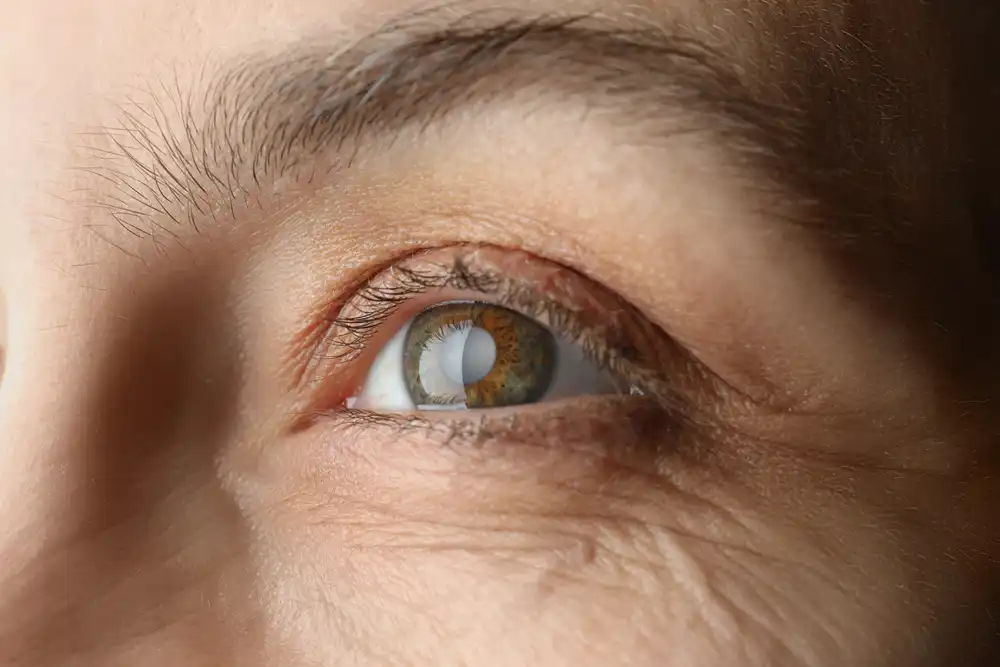
Retinal Detachment
Advanced diagnostics and immediate clinical intervention are essential to safeguard sight when dealing with retinal detachment. Regular eye exams and healthy habits are the primary defence, especially for those with conditions such as diabetes. A specialist eye screening is an important step toward monitoring and protecting long-term vision.

Retinal Detachment
Retinal detachment is a serious eye condition where the retina – the thin layer of tissue at the back of the eye, pulls away from its normal position. Since the retina is responsible for sending visual signals to the brain, a detachment can lead to permanent vision loss if not addressed promptly.
Specialist eye care provides the urgent assessment, advanced diagnostics, and clinical treatments, such as retinal detachment surgery, required to help protect and preserve sight.
Mr. Manu Mathew
Consultant Ophthalmic Surgeon
Mr. Mathew is a highly trained ophthalmic surgeon specialising in cataract, refractive lens, and laser eye surgery including LASIK and LASEK. He has performed hundreds of successful procedures and is well-regarded for his expertise across Nottingham, Birmingham, Leeds, and Wetherby.








Retinal Detachment Surgery
When the retina becomes detached, surgery is often the primary method for restoring and protecting vision. Retinal detachment surgery is highly effective, but clinical intervention must be carried out urgently to prevent permanent sight loss. Experienced specialists utilise advanced techniques to repair the retina and provide the best possible chance of recovery.
What Does Retinal Detachment Surgery Involve?
Depending on the severity and type of detachment, specialist assessment may indicate one of the following procedures:
- Vitrectomy – The vitreous gel inside the eye is carefully removed and replaced with a clear solution or gas bubble to hold the retina in place while it heals.
- Scleral Buckling – A tiny silicone band is placed around the white of the eye, gently pressing the eye wall against the detached retina.
- Pneumatic Retinopexy – A small gas bubble is injected into the eye to push the retina back into position. This is usually followed by laser or cryotherapy to seal the retina.
- Laser or Cryotherapy Treatment – Used in less severe cases, these clinical treatments seal small retinal tears before they develop into a full detachment.
What Causes Retinal Detachment?
Retinal detachment can happen for several reasons, including:
- Aging: Natural shrinkage of the vitreous (gel inside the eye) can pull on the retina.
- Severe myopia (short-sightedness): Higher risk due to thinner retinal tissue.
- Eye injury or trauma
- Previous eye surgery (like cataract removal)
- Family history of retinal problems
Symptoms of Retinal Detachment
Retinal detachment is usually painless, but symptoms appear suddenly and should never be ignored. Warning signs include:
- Sudden appearance of floaters (black spots or cobweb-like shapes in vision)
- Flashes of light in one or both eyes
- A dark shadow or “curtain” moving across your field of vision
- Blurred or distorted vision
Read our latest articles