Photophobia
Light sensitivity, or photophobia, can make everyday environments uncomfortable, often leading to eye strain, headaches, or tearing. Specialist care helps to uncover the underlying cause of this sensitivity, providing personalised strategies and clinical management to protect the eyes and reduce discomfort.

Photosensitivity Eyes
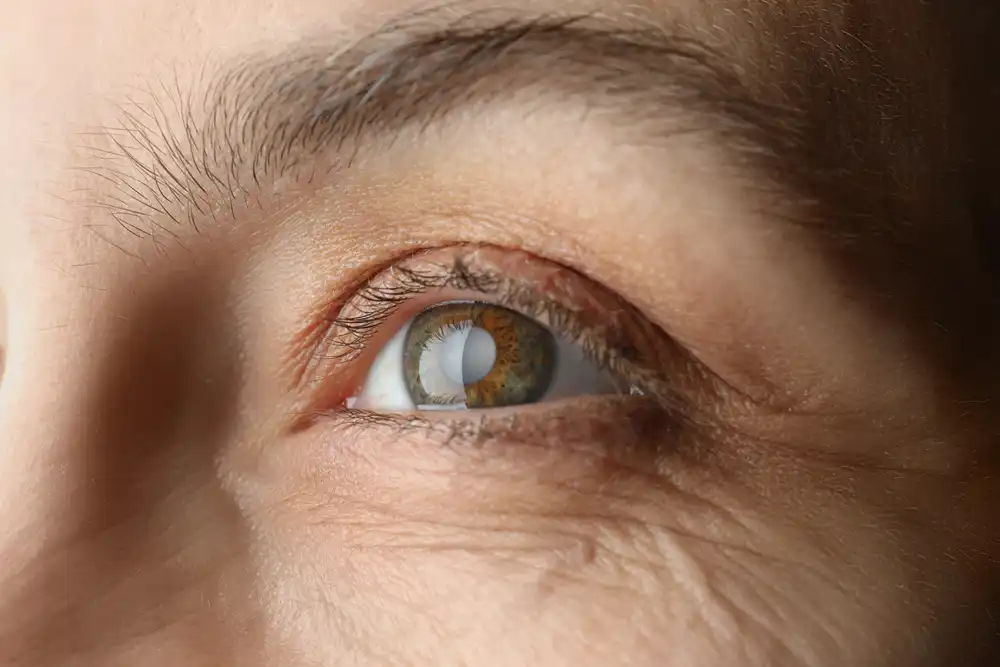
Photophobia is a condition characterised by an unusual sensitivity of the eyes to light. Even regular daylight or indoor lighting can lead to discomfort, squinting, tearing, or headaches. It is not a condition of the visual system itself, but rather a sign that could suggest an underlying ocular or health issue.
Symptoms of Photophobia
People with photophobia may experience:
- Squinting or discomfort in bright light
- Eye pain or strain when exposed to sunlight or indoor lighting
- Headaches or migraines triggered by light
- Tearing or watery eyes
- Difficulty seeing clearly in bright conditions
Mr. Manu Mathew
Consultant Ophthalmic Surgeon
Mr. Mathew is a highly trained ophthalmic surgeon specialising in cataract, refractive lens, and laser eye surgery including LASIK and LASEK. He has performed hundreds of successful procedures and is well-regarded for his expertise across Nottingham, Birmingham, Leeds, and Wetherby.









Eye Sensitivity to Light
Common Causes
Eye sensitivity to light can result from various factors, including:
Eye-Related Causes:
- Dry Eye Syndrome or irritated eyes
- Eye infections such as conjunctivitis
- Inflammation inside the eye (uveitis or iritis)
- Corneal injuries or recent eye surgery
- Cataracts
Medical or Neurological Causes:
- Migraines or cluster headaches
- Certain medications that affect the eyes
- Neurological conditions, including meningitis or brain injury
Environmental Factors:
- Bright sunlight or glare
- Long periods in front of computer screens or digital devices
- Poor lighting conditions indoors
Diagnosing Light Sensitivity
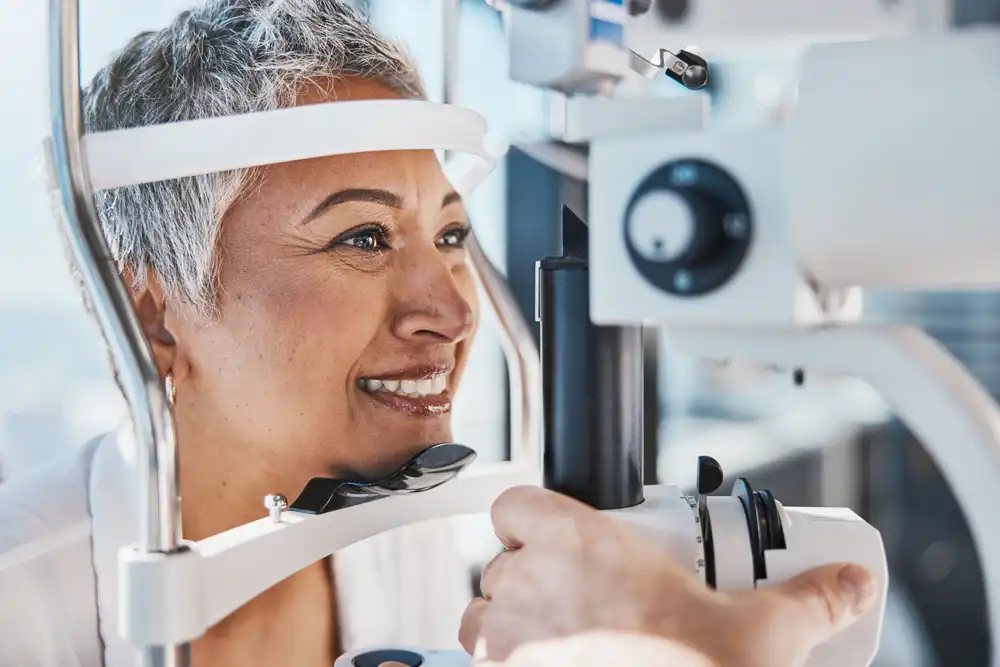
A comprehensive eye examination is essential to determine the underlying cause of light sensitivity. Assessments typically include:
- Visual acuity and slit-lamp examinations.
- Pupil reaction and corneal health assessments.
- A thorough review of medical history and current medications.
- Screening for neurological or systemic causes where clinically indicated.
Specialist eye care focuses on the importance of managing photophobia effectively. Detailed clinical assessments and personalised care strategies are used to help reduce light sensitivity, improve daily comfort, and protect long-term vision.
Read our latest articles