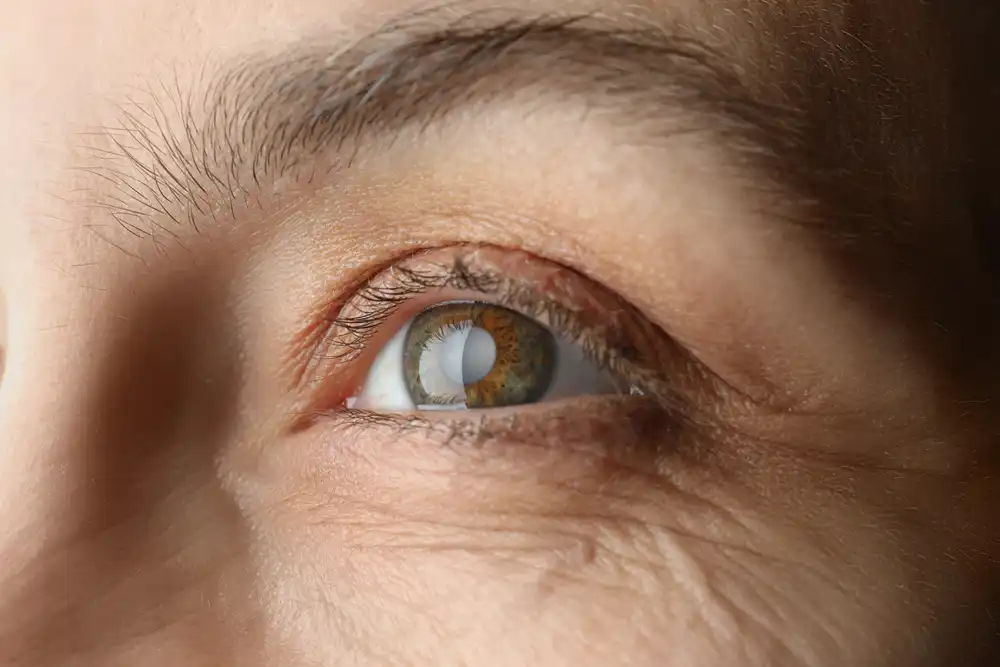
Optic Nerve
Through tailored surgical planning, precise intraocular pressure management, and consistent clinical support, specialist care ensures that treatment is as safe and effective as possible. The primary objective is not only to achieve clearer vision but to safeguard long-term ocular health and maintain an individual’s quality of life.
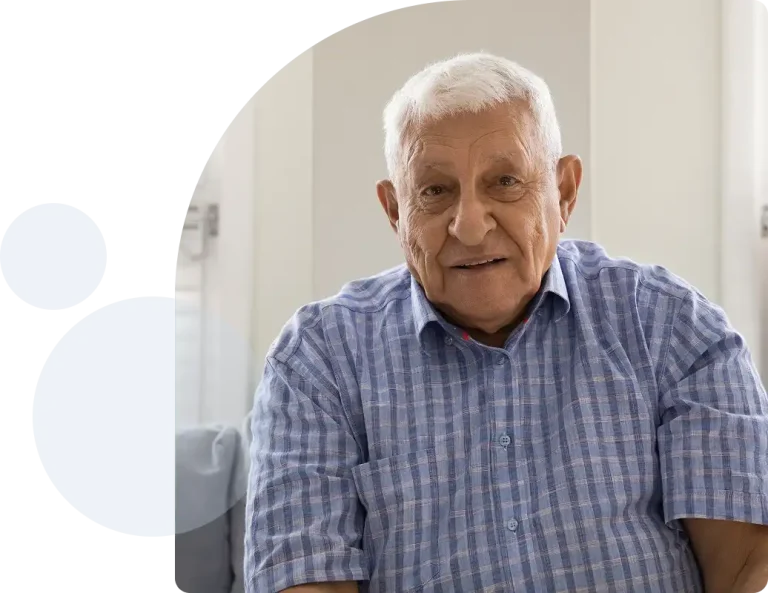
Optic Neuropathies
Optic neuropathies are conditions that damage the optic nerve – the pathway that carries visual signals from the eye to the brain. When the optic nerve is affected, vision can become blurred, distorted, or even lost.
While cataract surgery and laser vision correction are safe and effective procedures for most patients, those with optic nerve problems require special care. Pre-existing damage to the optic nerve can influence surgical outcomes, and in some cases, surgery may temporarily increase pressure inside the eye (intraocular pressure or IOP), which could worsen these conditions.
The most common non-glaucomatous optic neuropathies to consider include:
Optic Neuritis
- What it is: Inflammation of the optic nerve, often linked to autoimmune conditions like multiple sclerosis.
- Surgical Considerations: Cataract or laser procedures can cause short-term stress or inflammation in the eye. For patients with a history of optic neuritis, this could trigger a flare-up or worsen symptoms.
- Potential Symptoms: Sudden vision loss, blurred or dim vision, pain with eye movement.
- Key Point: Patients with optic neuritis should be carefully evaluated before undergoing eye surgery. Special care is taken to reduce inflammation risk and monitor closely after treatment.
Ischemic Optic Neuropathy (ION)
- What it is: A condition where poor blood flow damages the optic nerve, often seen in older adults or those with vascular risk factors.
- Surgical Considerations: Both cataract and laser surgery can cause a temporary rise in intraocular pressure. In rare cases, this increase can reduce blood supply to the optic nerve, leading to further damage or vision loss.
- Potential Symptoms: Sudden painless loss of vision, often in one eye; dimming or dark patches in vision.
- Key Point: Pre-surgical planning should identify risk factors for ION. Preventing spikes in IOP during and after surgery is essential to protect optic nerve health.
Compressive Optic Neuropathy
- What it is: Pressure on the optic nerve from nearby structures, such as a tumor or swelling behind the eye.
- Surgical Considerations: While cataract or lens replacement surgery does not directly cause compression, the presence of a compressive optic neuropathy may limit the visual improvement surgery can deliver.
- Potential Symptoms: Gradual loss of vision, reduced peripheral vision, or changes in color vision.
- Key Point: Surgery may clear lens opacity, but visual outcomes are limited if the optic nerve remains compressed. Thorough diagnosis before surgery ensures realistic expectations.
Mr. Manu Mathew
Consultant Ophthalmic Surgeon
Mr. Mathew is a highly trained ophthalmic surgeon specialising in cataract, refractive lens, and laser eye surgery including LASIK and LASEK. He has performed hundreds of successful procedures and is well-regarded for his expertise across Nottingham, Birmingham, Leeds, and Wetherby.




Optic Neuritis Treatment
Optic neuropathies such as optic neuritis, ischemic optic neuropathy (ION), and compressive optic neuropathy require careful diagnosis and tailored management. Unlike cataracts or refractive errors, optic nerve damage is often irreversible, meaning the focus of treatment is on preserving remaining vision, preventing further damage, and improving quality of life.
For patients considering cataract surgery or laser vision correction, special precautions are needed to protect the optic nerve.
Risks and Considerations
- Temporary Increases in IOP: Both cataract and laser surgery can briefly raise eye pressure, which could worsen optic nerve conditions.
- Existing Damage Limits Outcomes: If the optic nerve is already damaged, surgery can improve lens clarity but may not restore full vision.
- Irreversible Loss: Damage to the optic nerve cannot be reversed. Protecting the nerve is essential for preserving vision.
- Symptom Monitoring: Any sudden changes such as blurred vision, new blind spots, or eye pain after surgery should be reported immediately.
What This Means for You
Cataract and laser vision correction remain highly safe and successful procedures. However, if you have or are at risk of optic neuritis, ischemic optic neuropathy, or compressive optic neuropathy, your care must be tailored with extra caution.
Risk of Worsening Symptoms
While cataract and laser surgeries are generally safe:
- Temporary IOP increases during surgery could worsen ischemic or inflamed nerves.
- Pre-existing optic nerve damage may limit visual improvement, even after a technically perfect surgery.
- Irreversible damage means that protecting the optic nerve before and after surgery is critical.
- Patients must report new symptoms such as sudden vision loss, flashes of light, or worsening blind spots immediately.
Supportive Care and Rehabilitation
Since optic nerve damage cannot always be reversed, supportive care is vital:
- Low vision aids (magnifiers, large-print materials, adaptive devices).
- Lifestyle modifications (healthy diet, smoking cessation, blood pressure control).
- Regular follow-ups to track changes and adjust management.
- Emotional support and counselling to help patients adapt to vision changes.
Read our latest articles