Laser Eye Surgery
From £1,785 per eye
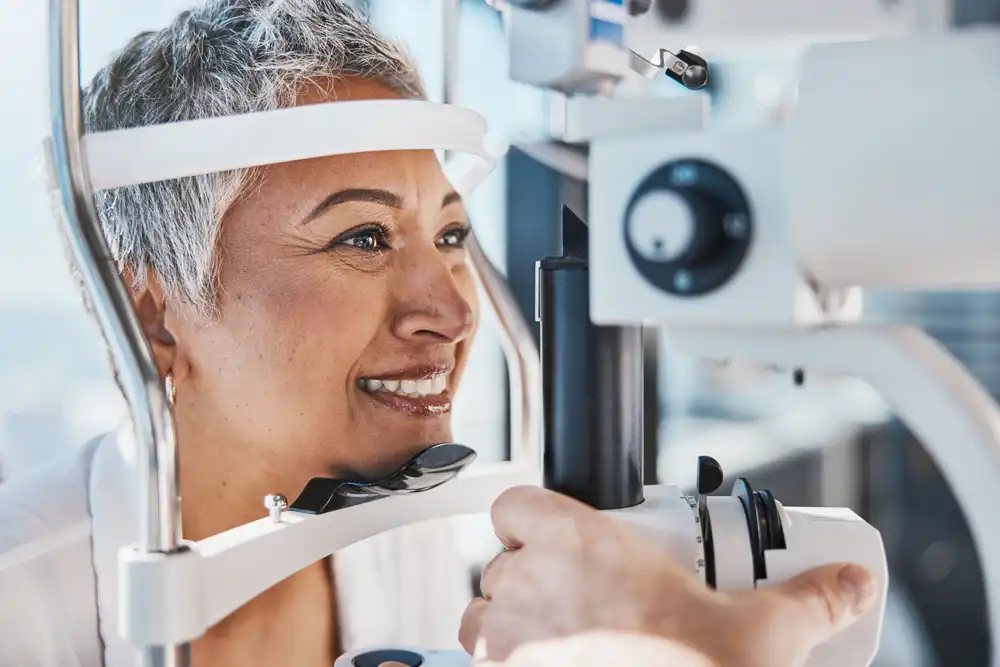
Laser eye surgery, including LASIK, LASEK and PRK, can improve visual clarity and reduce dependence on glasses or contact lenses. These procedures are designed to offer sharper vision and typically involve a relatively quick recovery.

Laser Eye Surgery
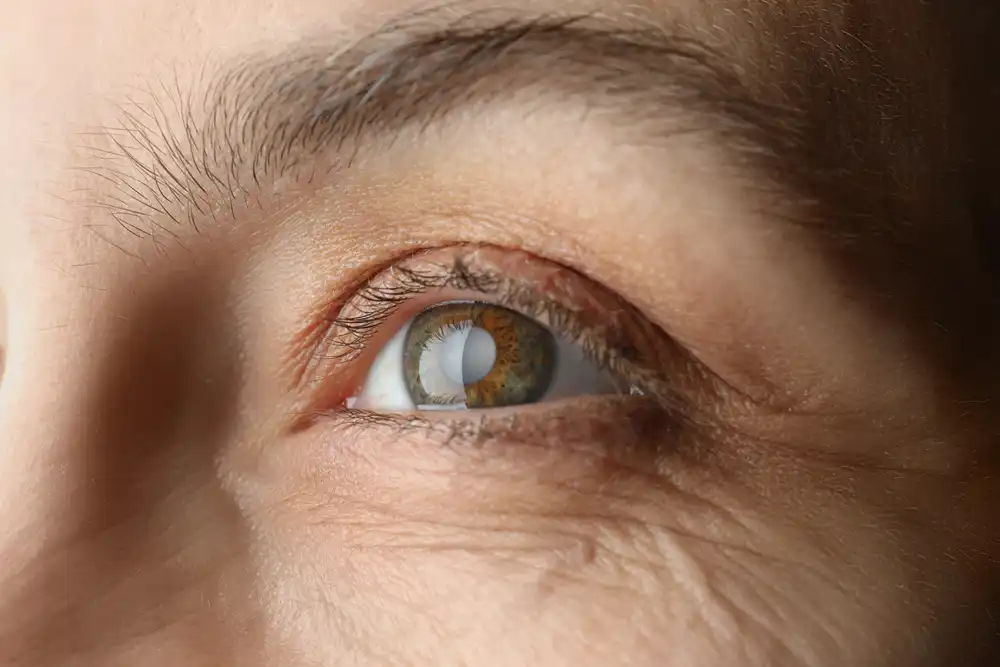
Laser eye surgery is a precise, minimally invasive procedure that reshapes the cornea, the clear front part of the eye to correct vision problems such as short-sightedness (myopia), long-sightedness (hyperopia), and astigmatism. By adjusting how light enters the eye, it helps focus images clearly on the retina, reducing or even eliminating the need for glasses or contact lenses.
The procedure is quick, usually painless, and performed under local anaesthetic. Recovery is often fast, with many patients noticing improved vision within a day or two.
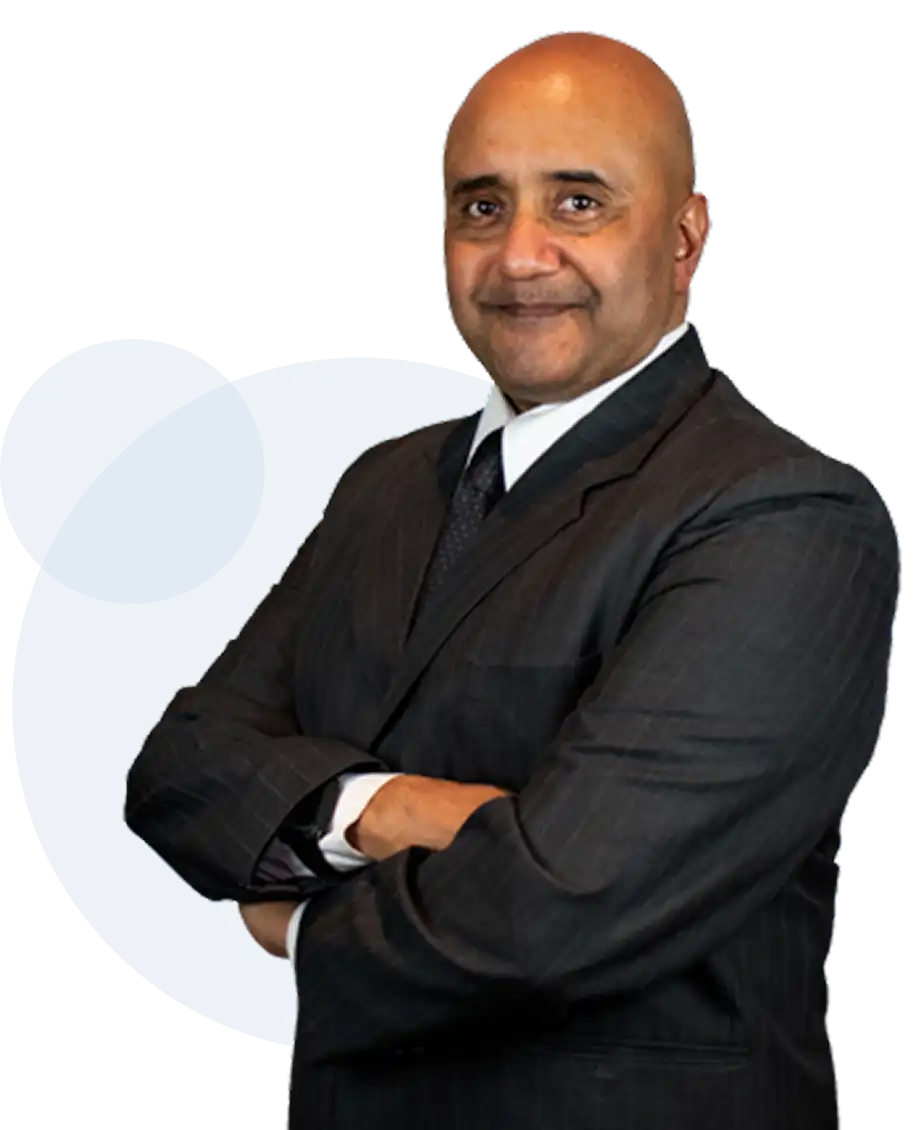
Mr. Manu Mathew
Consultant Ophthalmic Surgeon
Mr. Mathew is a highly trained ophthalmic surgeon specialising in cataract, refractive lens, and laser eye surgery including LASIK and LASEK. He has performed hundreds of successful procedures and is well-regarded for his expertise across Nottingham, Birmingham, Leeds, and Wetherby.

Different Types of Laser Eye Surgery
LASIK (Laser-Assisted In Situ Keratomileusis)
This popular procedure creates a thin flap in the cornea and uses a laser to reshape the underlying tissue. LASIK is quick, usually painless, and offers rapid recovery, often with improved vision within a day or two.
LASEK (Laser-Assisted Sub-Epithelial Keratectomy)
LASEK involves loosening the very thin outer layer of the cornea before reshaping it with a laser. It is often recommended for patients with thinner corneas and has a slightly longer recovery than LASIK.
PRK (Photorefractive Keratectomy)
PRK removes the outer layer of the cornea entirely and reshapes it with a laser. Unlike LASIK, there is no corneal flap, making it a good option for certain patients. Recovery takes a few days longer, but the long-term vision results are excellent.
FAQs
We have provided answers to some of the most frequently asked questions in order to ensure that you are well-informed and confident about your eye care journey.
- Is laser eye surgery safe?
Laser eye surgery is one of the most common elective surgeries worldwide, with high success and satisfaction rates. Using modern technology and experienced surgeons significantly reduces risks.
- How quickly will my vision improve?
Many patients notice clearer vision within 24–48 hours, though full recovery and stabilisation can take a few weeks.
- What are the risks of laser eye surgery?
Like any procedure, there are risks, but serious complications are rare. Possible side effects include dry eyes, halos or glare around lights, under/over-correction, or infection (very rare).
- Is the result permanent?
Yes, the corneal reshaping is permanent. However, natural age-related changes such as presbyopia (needing reading glasses after 40) or cataracts later in life may still occur.
- What if I blink or move during the procedure?
The laser system tracks eye movements in real time. If your eye moves, the laser adjusts or pauses automatically to ensure precision and safety.
- Will I need glasses after surgery?
Many patients achieve 20/20 vision or better. Some may still need glasses for specific tasks, particularly for reading as they get older.
- How long is the recovery period?
Most people return to work within 2–3 days. Activities like driving, sports and swimming may require a short break—your surgeon will give tailored advice.
- How much does laser eye surgery cost?
The cost of laser eye surgery can vary depending on the type of procedure and individual factors. Prices generally start from around £535 per eye. For more detailed information on costs, it’s best to consult specialist sources or clinics that provide these treatments.
Read our latest articles