
Refractive Lens Exchange (RLE) is a procedure that’s been gaining popularity among those looking to improve their vision, particularly individuals over the age of 40. But how do you know if RLE is the right choice for you? In this post, we’ll break down what Refractive Lens Exchange is, who the ideal candidates are, and the benefits it offers.
What Is Refractive Lens Exchange (RLE)?
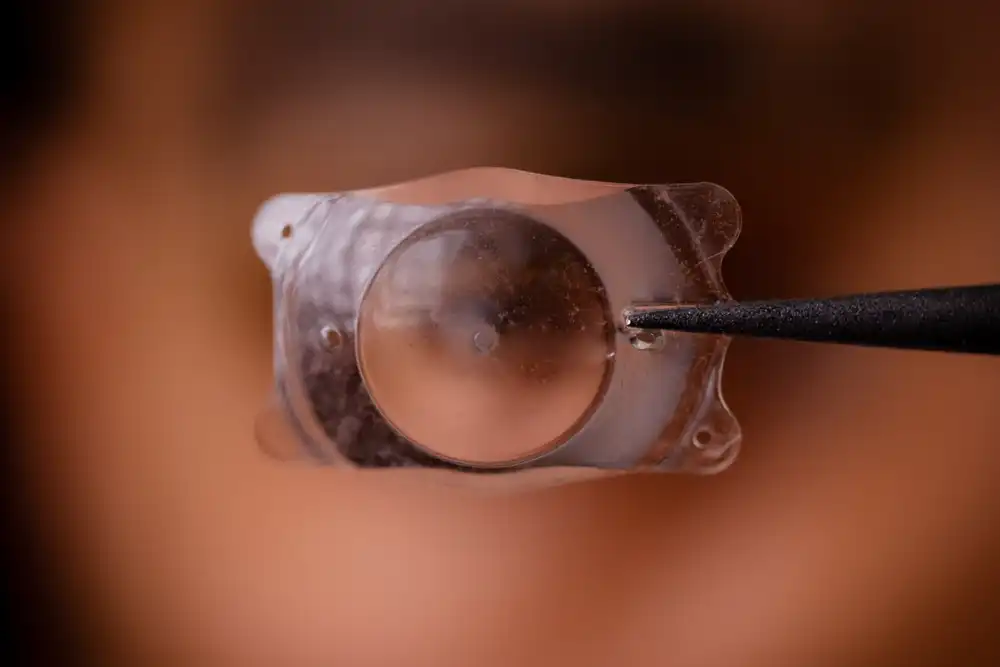
Refractive Lens Exchange (RLE), also known as Clear Lens Exchange (CLE), is a surgical procedure in which your natural lens is removed and replaced with an artificial intraocular lens (IOL). This is similar to cataract surgery, but RLE is performed in individuals who don’t yet have cataracts but have other refractive errors, such as nearsightedness, farsightedness, or presbyopia (age-related difficulty seeing close objects).
The new IOL implanted during RLE is designed to correct the refractive error and improve vision at different distances, reducing or eliminating the need for glasses or contact lenses.
Who is an Ideal Candidate for RLE?
RLE is an excellent solution for individuals over the age of 40 who are experiencing presbyopia or have high levels of refractive error that can’t be treated effectively with LASIK. The procedure is also ideal for those with the following conditions:
- Severe nearsightedness or farsightedness: Individuals with high levels of refractive error may not be suitable candidates for LASIK due to the thickness of their corneas, making RLE a better option.
- Presbyopia: As we age, our ability to focus on close objects diminishes. RLE can address presbyopia by replacing the natural lens with a multifocal or extended depth of focus IOL, allowing you to see clearly at all distances.
- Those seeking freedom from glasses or contacts: If you’ve been frustrated by your reliance on glasses or contact lenses, RLE can offer a permanent solution that eliminates or greatly reduces the need for corrective eyewear.
What Are the Benefits of Refractive Lens Exchange?
- Improved Vision Across All Distances
- One of the biggest advantages of RLE is the ability to improve vision at all distances. With specialized IOLs, many patients find they no longer need glasses for reading, driving, or even outdoor activities.
- Long-Term Solution
- RLE offers a permanent solution for refractive errors. Unlike LASIK, which reshapes the cornea, RLE replaces the lens, making it an ideal option for those who have already experienced changes to their eye’s lens with age.
- Eliminates the Risk of Cataracts
- Since RLE involves the removal of the natural lens, it eliminates the possibility of cataract formation in the future, offering long-term benefits for older individuals.
- Highly Customizable
- RLE allows for personalized treatment based on the patient’s needs. There are a variety of IOL options, including multifocal lenses, toric lenses (for astigmatism), and extended depth of focus lenses, all of which can help achieve the best possible visual outcome.
- Suitable for Patients with Thin Corneas
- Unlike LASIK, which requires a certain corneal thickness, RLE is an ideal solution for individuals with thin corneas, making it a viable option for a wider range of patients.
Is RLE Right for You?
While RLE can be a life-changing procedure for many patients, it’s important to consider the following factors when deciding if it’s the right choice for you:
- Age: RLE is typically recommended for those over 40, especially for individuals experiencing age-related vision changes like presbyopia. Younger patients with refractive errors can often benefit from LASIK instead.
- General Eye Health: Candidates for RLE should have healthy eyes without significant diseases or conditions that may affect the eye, such as glaucoma or macular degeneration.
- Realistic Expectations: Like any surgery, it’s important to have realistic expectations. While RLE can significantly reduce or eliminate the need for glasses or contacts, it may not always fully eliminate the need for reading glasses, especially in low-light situations.
- Lifestyle: If you’re an active person who wants to enjoy a life without relying on glasses or contact lenses, RLE could provide the freedom you’re looking for.
What to Expect During the Procedure
The RLE procedure is typically done on an outpatient basis under local anesthesia. The surgeon will remove your natural lens and replace it with an IOL. The procedure is quick, usually taking less than 30 minutes, and recovery times are generally short. Most patients can return to their normal activities within a day or two.
Possible Risks and Considerations
As with any surgery, there are risks involved, including infection, retinal detachment, and complications with the IOL. However, these risks are rare, and RLE has a high success rate when performed by an experienced surgeon.
Refractive Lens Exchange is a highly effective procedure for individuals looking to improve their vision, especially for those over the age of 40 who are struggling with refractive errors and presbyopia. By replacing the natural lens with a customized IOL, RLE can provide clear, sharp vision across all distances while offering a permanent solution to age-related vision changes.
If you’re considering RLE, it’s important to consult with an experienced ophthalmic surgeon to determine if the procedure is the right fit for your vision needs and lifestyle.