
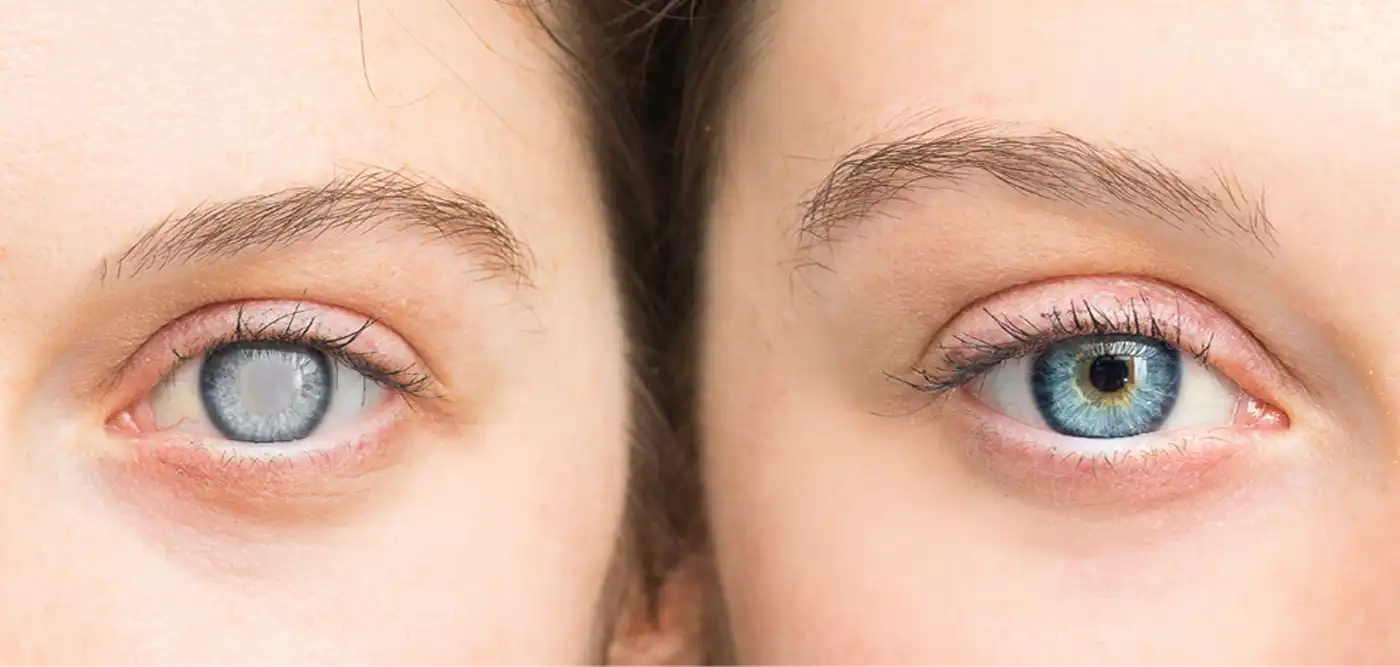
Glaucoma is one of the leading causes of blindness worldwide, yet it often goes unnoticed until significant damage has occurred. This is because glaucoma typically develops slowly and painlessly, without noticeable symptoms until vision loss has already occurred. As a result, early detection and treatment are key to preserving vision and managing the condition effectively.
In this blog post, we’ll discuss what glaucoma is, the importance of early detection, and the treatment options available to help manage the disease. Dr. Manu Matthew is committed to raising awareness about glaucoma and providing personalized care to patients who are at risk.
What is Glaucoma?
Glaucoma refers to a group of eye diseases that damage the optic nerve, which transmits visual information from the eye to the brain. The damage is often caused by increased pressure inside the eye, known as intraocular pressure (IOP). However, not everyone with glaucoma experiences high IOP, and some individuals with high IOP may not develop glaucoma.
There are different types of glaucoma, but the two most common are:
- Primary Open-Angle Glaucoma (POAG): This is the most common form of glaucoma. It develops gradually over time and typically doesn’t cause symptoms until significant damage has occurred. POAG is caused by a slow clogging of the drainage canals in the eye, resulting in increased IOP.
- Angle-Closure Glaucoma (ACG): This is a less common but more serious form of glaucoma that occurs when the angle between the iris and cornea becomes too narrow, blocking the drainage of fluid from the eye. Angle-closure glaucoma can develop suddenly and cause rapid vision loss, often accompanied by symptoms such as eye pain, nausea, and vomiting. This is considered a medical emergency and requires immediate treatment.
Why Early Detection is Crucial
Because glaucoma often develops without symptoms, it’s crucial for individuals at risk to have regular eye exams. The damage caused by glaucoma is usually irreversible, and by the time a person notices changes in their vision, it may be too late to fully recover their sight.
Early detection allows for prompt treatment, which can help slow or prevent further damage to the optic nerve. Regular eye exams help identify elevated intraocular pressure and other early signs of glaucoma before significant vision loss occurs.
Who is at Risk for Glaucoma?
Anyone can develop glaucoma, but certain risk factors increase the likelihood of developing the disease:
- Age: People over the age of 60 are at a higher risk, with the risk increasing as you age.
- Family History: A family history of glaucoma increases the risk. If you have a parent or sibling with the condition, you are more likely to develop it.
- Ethnic Background: Glaucoma is more common in African-American, Hispanic, and Asian populations. African-Americans, in particular, are at higher risk for developing the disease at a younger age.
- High Intraocular Pressure (IOP): Elevated eye pressure is the most significant risk factor for glaucoma.
- Other Health Conditions: Conditions like diabetes, high blood pressure, and previous eye injuries can increase the risk of glaucoma.
- Long-Term Use of Steroid Medications: Prolonged use of steroids can increase the risk of developing secondary glaucoma.
If any of these risk factors apply to you, it’s important to discuss them with your optometrist or ophthalmologist and schedule regular eye exams to monitor your eye health.
How is Glaucoma Diagnosed?
The diagnosis of glaucoma typically involves a comprehensive eye exam, which includes the following tests:
- Tonometry: This test measures the pressure inside your eyes. High intraocular pressure (IOP) is a key risk factor for glaucoma.
- Optic Nerve Examination: The optic nerve is examined to check for any damage. This can be done through a dilated eye exam or imaging technology such as Optical Coherence Tomography (OCT).
- Visual Field Test: This test maps your peripheral vision to detect any early signs of vision loss caused by glaucoma.
- Pachymetry: This test measures the thickness of the cornea, as corneal thickness can influence IOP readings and glaucoma risk.
- Gonioscopy: A special lens is used to examine the drainage angle of the eye, which can help diagnose angle-closure glaucoma.
If glaucoma is suspected or diagnosed, treatment will depend on the type and severity of the disease.
Treatment Options for Glaucoma
While glaucoma cannot be cured, it can be managed effectively with early treatment. The goal of treatment is to lower intraocular pressure (IOP) to prevent further damage to the optic nerve. Common treatment options include:
- Medications (Eye Drops or Oral Medications):
- The first line of treatment for glaucoma is often prescription eye drops, which reduce the production of fluid in the eye or help the eye drain fluid more effectively. These drops may need to be used for the rest of your life.
- In some cases, oral medications may be prescribed to help reduce IOP.
- Laser Therapy: Laser treatments can help increase fluid drainage from the eye, lower IOP, or treat areas of the eye that are obstructed.
- Laser Trabeculoplasty: A procedure that improves the drainage of fluid from the eye, often used in open-angle glaucoma.
- Laser Iridotomy: Used in angle-closure glaucoma to create a small hole in the iris to allow fluid to drain more easily.
- Surgical Interventions: When medications and laser treatments are not effective, surgery may be necessary. Surgical options include:
- Trabeculectomy: A procedure where a small piece of tissue is removed to create a drainage channel for the eye fluid.
- Glaucoma Drainage Devices: Small tubes or valves are implanted to help drain excess fluid from the eye.
- Lifestyle Modifications:
- Maintaining a healthy lifestyle can help support overall eye health. Regular exercise, a balanced diet rich in antioxidants, and controlling underlying conditions like diabetes and hypertension can help lower the risk of glaucoma.
Action Plan:
If you’re at risk for glaucoma, the most important thing you can do is schedule regular eye exams to monitor your eye health. Early detection can lead to more effective management and help preserve your vision.
- Book Your Eye Exam with Dr. Manu Matthew: If you’re due for an eye exam or if you’re concerned about your risk for glaucoma, don’t wait. Early detection is key to managing glaucoma effectively.
- Click here to schedule your appointment and take the first step toward protecting your vision.