
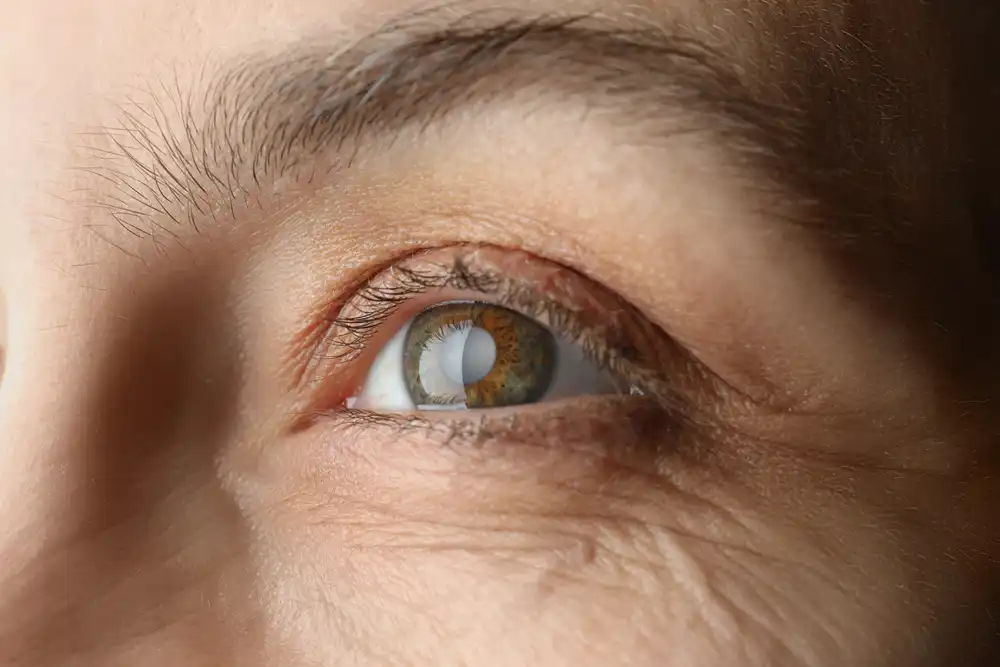
Cataracts are a natural part of the aging process, affecting millions of people worldwide. In fact, by the age of 80, more than half of people will have developed cataracts. While cataracts can develop slowly over time, their impact on vision can be significant, often leading to blurry or cloudy eyesight. Cataract surgery is a highly effective solution that can restore clear vision, but how do you know when it’s time to consider surgery? In this blog post, we’ll explore the five common signs that may indicate it’s time to consider cataract surgery.
1. Blurry or Cloudy Vision
One of the most obvious signs of cataracts is blurry or cloudy vision. As the cataract forms, the natural lens of the eye becomes clouded, making it difficult to see clearly. This can affect your ability to perform everyday tasks like reading, driving, or even recognizing faces.
Why It Happens:
- Cataracts cause the lens of the eye to become cloudy, reducing the amount of light that enters the eye and affecting visual clarity.
When to Consider Surgery:
- If blurry vision is affecting your daily activities and glasses or contact lenses no longer help, cataract surgery might be necessary to restore clarity.
2. Difficulty with Night Vision
As cataracts progress, they can cause difficulties with night vision. You may notice that headlights from oncoming cars appear to be much brighter, making it hard to see clearly while driving at night. You may also experience a halo effect around streetlights or lights in low-light environments.
Why It Happens:
- Cataracts scatter light as it enters the eye, causing glare and halos, especially in dim or low-light conditions.
When to Consider Surgery:
- If you find it increasingly difficult or unsafe to drive at night due to glare or poor vision, it may be time to discuss cataract surgery with your ophthalmologist.
3. Faded or Yellowed Colors
Another common sign of cataracts is that colors appear faded, yellowed, or less vibrant. You may notice that your clothes or the world around you no longer appear as bright and colorful as they once did. Cataracts can cause a yellowish tint to your vision, making it harder to distinguish between similar colors or shades.
Why It Happens:
- As the cataract develops, it can alter how light passes through the lens, leading to a yellowing or darkening effect on colors.
When to Consider Surgery:
- If your ability to distinguish between colors is diminishing and affecting your quality of life, cataract surgery can restore vibrant, accurate color vision.
4. Increased Sensitivity to Light and Glare
Increased sensitivity to light and glare is another common symptom of cataracts. You may experience discomfort when exposed to bright sunlight or artificial lights, which can feel harsh or blinding. This glare can be particularly bothersome when driving, especially during the daytime.
Why It Happens:
- The clouded lens scatters incoming light, creating an intense glare that can be uncomfortable, particularly in bright or high-contrast environments.
When to Consider Surgery:
- If glare or light sensitivity is making it difficult to see clearly or engage in outdoor activities, cataract surgery may be necessary to restore visual comfort.
5. Frequent Changes in Prescription Glasses or Contact Lenses
As cataracts develop, your vision may continue to change, causing frequent shifts in your glasses or contact lens prescription. You might find that you need stronger prescriptions or need to change your glasses more often than before, yet you still aren’t satisfied with the results.
Why It Happens:
- Cataracts alter the refractive properties of the lens, meaning that your prescription may change as the cataract progresses. However, no amount of prescription change will completely correct the vision problems caused by cataracts.
When to Consider Surgery:
- If you are frequently changing your prescription but still struggling with blurry or impaired vision, it’s likely time to consider cataract surgery for long-term improvement.
When to Consider Cataract Surgery:
Cataract surgery is one of the most common and effective procedures performed worldwide. If you’re experiencing any of the signs listed above, it may be time to schedule a consultation with an ophthalmologist to discuss your options. In the early stages, cataracts may not cause significant impairment, but as they progress, surgery may become the best option to restore your vision.
What to Expect from Cataract Surgery:
- Cataract surgery involves removing the clouded natural lens and replacing it with a clear artificial lens, known as an intraocular lens (IOL). The procedure is quick, typically taking about 15-30 minutes, and is performed on an outpatient basis. Most patients experience immediate improvements in vision following surgery.
If cataracts are affecting your ability to see clearly, engage in daily activities, or maintain your independence, cataract surgery can offer a life-changing solution. The procedure is highly effective, safe, and offers fast recovery times, allowing you to regain sharp, clear vision. If you’re experiencing any of the signs of cataracts listed above, don’t hesitate to reach out to schedule a consultation. Together, we can determine the best course of action for restoring your vision and quality of life.