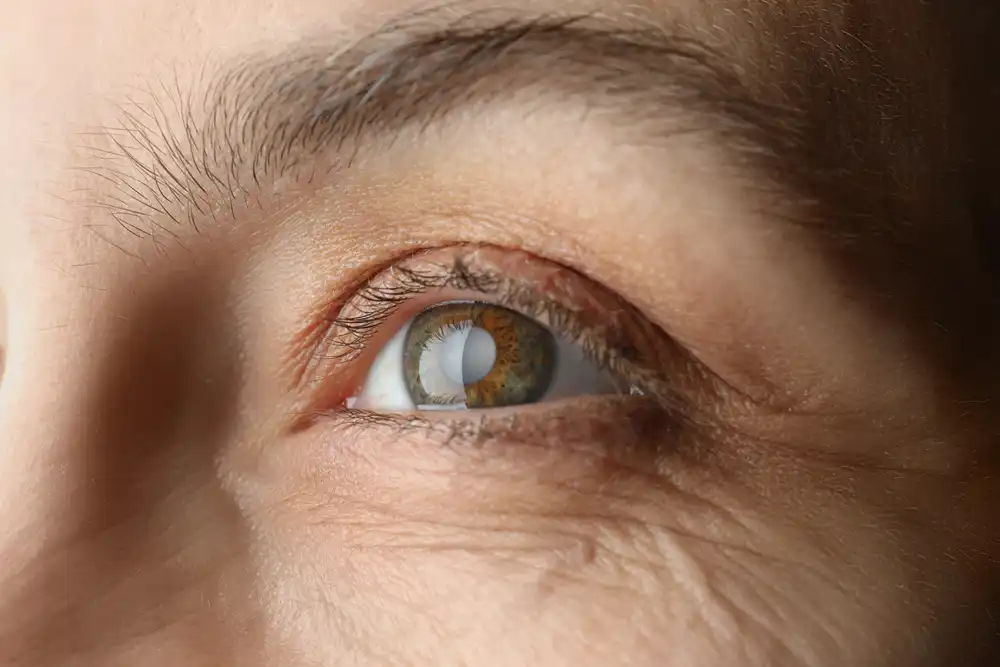
Floaters or Flashing
Specialist assessment is essential to determine the underlying cause of flashes and floaters and to ensure long-term eye health. Through thorough clinical evaluations and advanced imaging techniques, professional eye care provides the necessary clarity and reassurance regarding the condition of the retina.

Floaters in Eye
Seeing flashes of light, also called photopsia can be startling. These flashes often appear as brief flickers, lightning streaks, or sparkling lights, especially in dark environments. While occasional flashes are often harmless, persistent or sudden flashes can sometimes indicate a more serious eye condition that requires prompt attention.
Mr. Manu Mathew
Consultant Ophthalmic Surgeon
Mr. Mathew is a highly trained ophthalmic surgeon specialising in cataract, refractive lens, and laser eye surgery including LASIK and LASEK. He has performed hundreds of successful procedures and is well-regarded for his expertise across Nottingham, Birmingham, Leeds, and Wetherby.









Flashing in Eyes
Seeing flashes of light in your vision can be alarming. Flashes often occur when the vitreous gel inside the eye pulls on the retina. While occasional flashes may be harmless, frequent or intense flashes can indicate retinal issues that require prompt clinical attention. Specialist assessment is essential to evaluate the health of the retina and determine the appropriate course of action.
Diagnosis
A thorough eye examination by a specialist is required to determine the cause of flashes.
These diagnostic assessments typically include:
- Dilated retinal exam – to check the retina for tears or detachment
- Optical Coherence Tomography (OCT) – detailed imaging of the retina and vitreous
- Visual acuity tests and history review
Causes of Flashes in the Eyes
Flashes are usually caused by stimulation of the retina, the light-sensitive layer at the back of the eye. Common causes include:
- Vitreous Detachment
- As we age, the gel-like vitreous inside the eye shrinks and can tug on the retina, causing brief flashes.
- This is common in people over 50 and usually harmless, but it can sometimes lead to retinal tears.
- Retinal Tears or Detachment
- Flashes combined with a sudden increase in floaters or a shadow/curtain in vision may indicate a retinal tear or detachment.
- This is an emergency and requires immediate ophthalmologist assessment.
- Migraines
- Ocular migraines can cause flashing lights, zigzag patterns, or shimmering vision, often without pain.
- These typically last a few minutes and are temporary.
- Eye Trauma or Injury
- Physical injury to the eye can trigger flashes, sometimes indicating retinal or vitreous damage.
- Other Causes
- Certain medications, severe nearsightedness, or inflammation in the eye can occasionally cause flashes.
Read our latest articles